
one interval

Conductor:
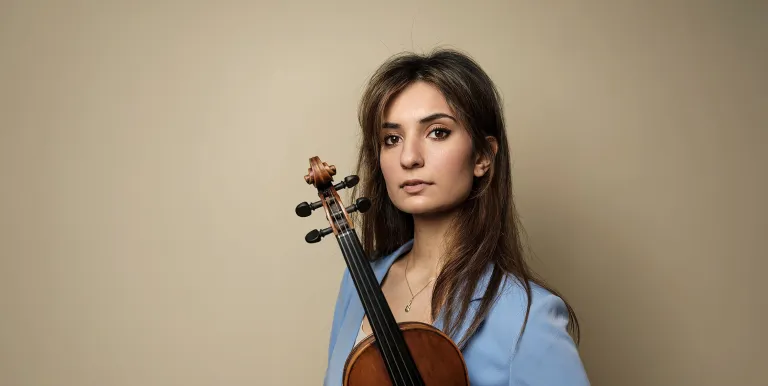
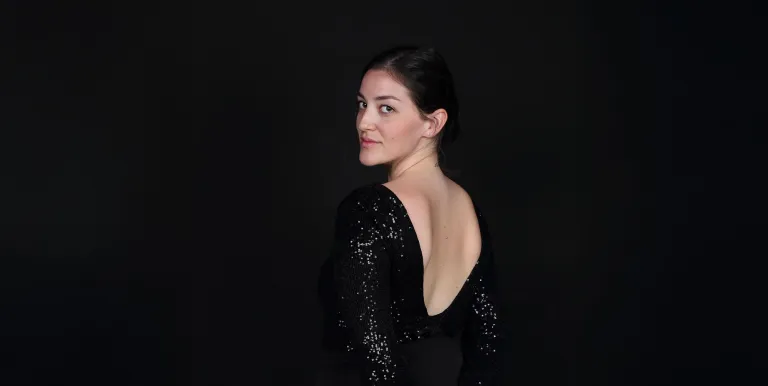
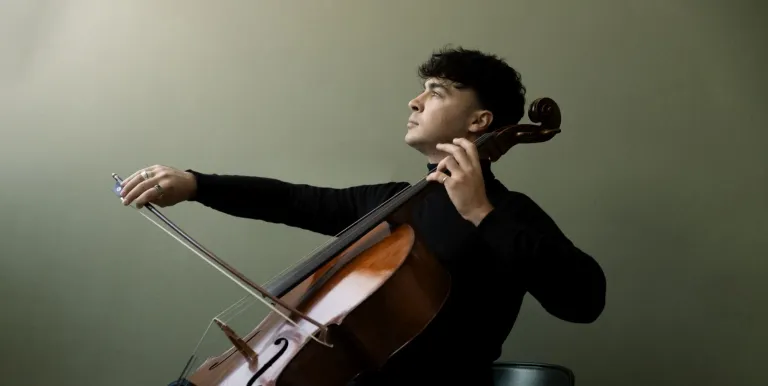
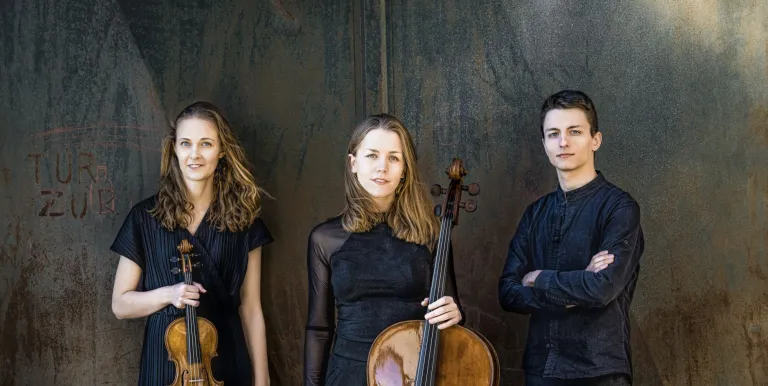
Featuring:
After Messiah, Judas Maccabaeus is Handel's most popular oratorio, and one that was inspired by the events of its era. Each of Handel's oratorios has its own unique performance history, and these works are altered nearly every time they are performed, with movements being switched or omitted and, at certain concerts, completely new ones being written. The most popular excerpt from the piece, the choral movement 'See, the Conqu'ring Hero Comes!' was originally part of the oratorio Joshua, but the popularity of Judas Maccabaeus led the composer to transplant it.
In 1701, the English parliament excluded Catholic members of the House of Stuart from succeeding to the throne, a measure that brought the House of Hanover into power. The Stuarts tried several times to regain the crown, an effort that was ended by the Battle of Culloden in 1746. It was this event that spawned Handel's work, whose subject he did not choose by accident. The Maccabees were high priests fighting for Jewish religious freedom. One of their leaders, Judas, reoccupied the temple in Jerusalem (an event commemorated by the holiday of Hannukah). The story was a familiar and popular one, and it was easy for English public opinion to identify itself with the Jewish people fighting for their faith, especially after a century and a half of struggle again Catholicism, as the Anglican Church was an important part of the country's national identity.
Perhaps Handel's most operatic oratorio, Judas Maccabaeus is a series of massive tableaus in which he consistently uses the topoi of the opera style of the era, including those of mourning and the war-fighting spirit (movements resembling revenge arias), and giving victory music an important place. Also appearing in the work are the characteristic expressive devices of the age, including the chromatic depiction of grief, the coloraturas indicating high levels of emotion, the fanfare motifs signalling the eagerness to act and the pastoral 6/8 tempo of peace and amicability. In addition to all of this, the end of the second act becomes an unmistakable reference when the chorus sings of the unshakable faith in a passage that Handel framed with music recalling a Protestant chorale.
Presented by: Dohnányi Orchestra Budafok, Müpa Budapest
-
Parking is free of charge for visitors with tickets to any of our paid performances on the day of the performance. Upon entering the car park, you can either scan the barcode or QR code on your concert ticket, or take a parking ticket and validate it together with your concert ticket at one of the payment machines. Either option will enable you to exit through the gates operated by the number plate recognition system. We recommend that you plan to arrive at Müpa in good time, so that you can find the ideal parking spot quickly and without difficulty and arrive at your performance comfortably. The detailed parking policy of Müpa Budapest is available here.