Please note that by buying tickets you are accepting the house rules at Müpa Budapest, which also include the latest regulations and security rules. You can read further details and find key information on this page.
Thank you for your understanding and cooperation.
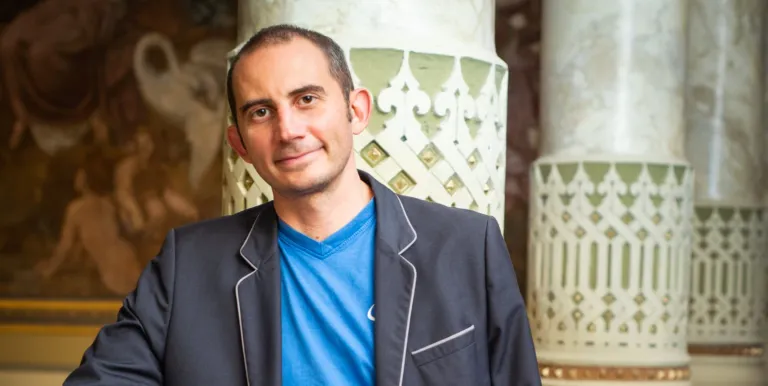


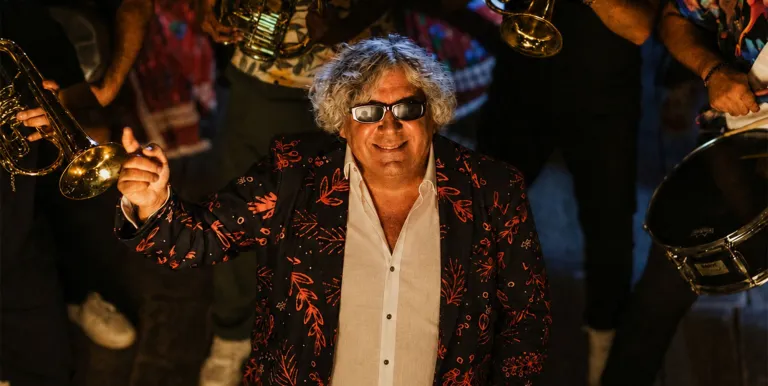
Featuring:
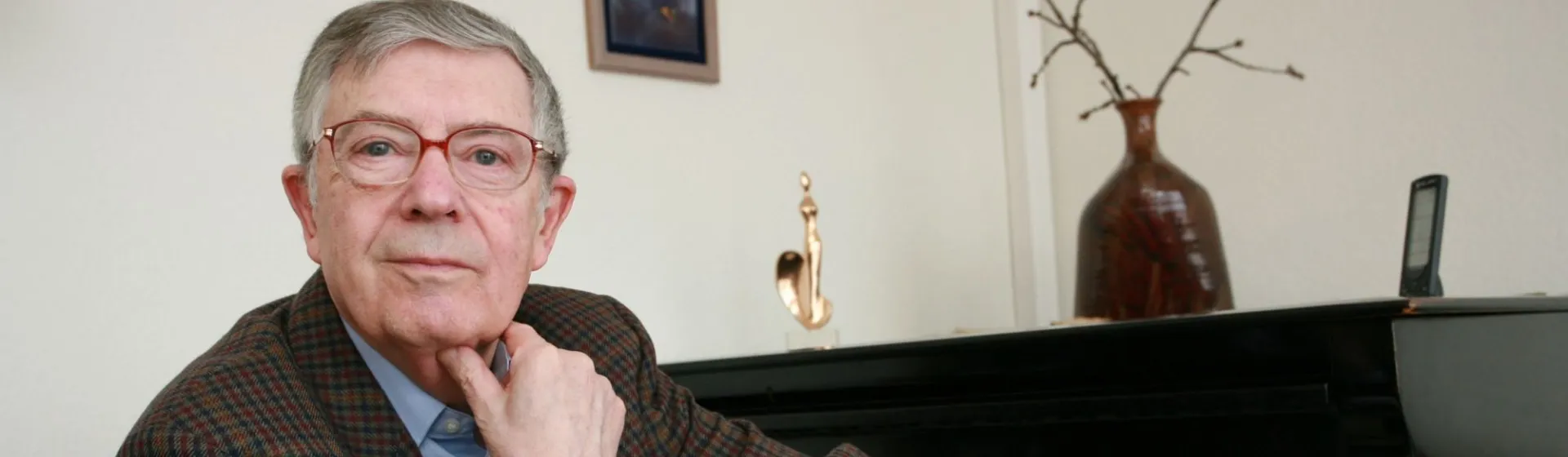
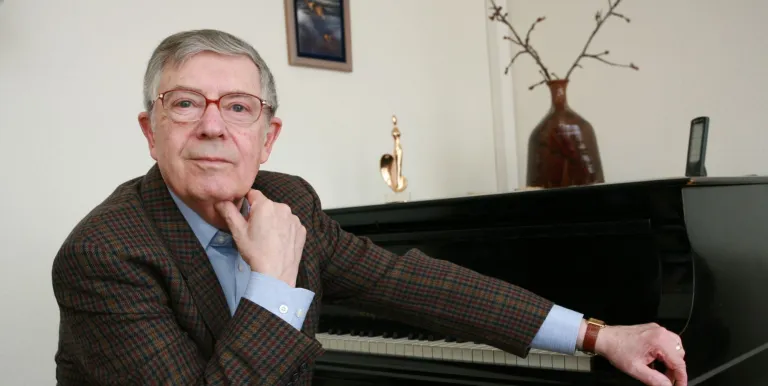
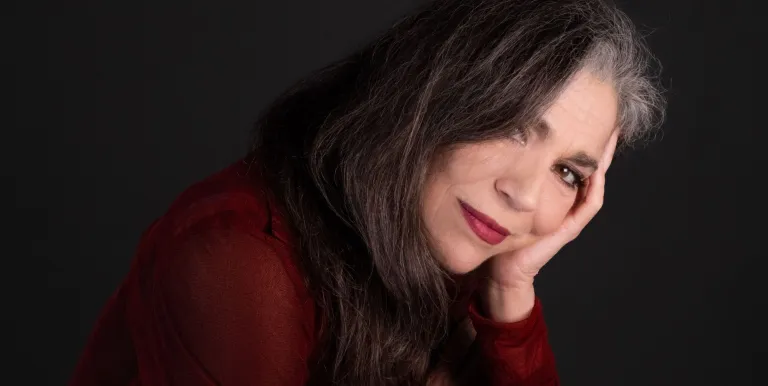
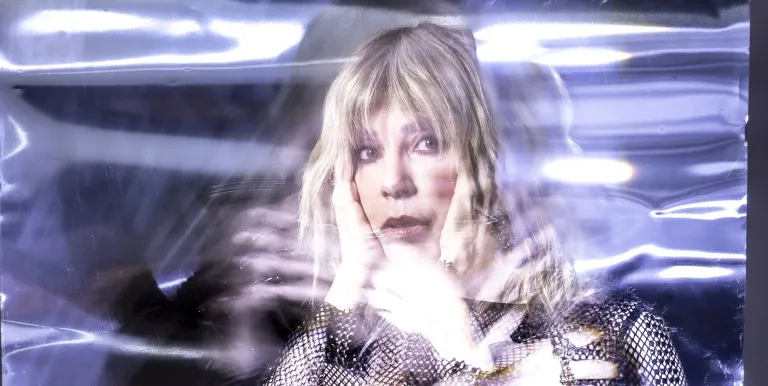
Tibor Márkus
Kálmán Oláh
Dániel Szabó
There is no figure on the Hungarian jazz scene that doesn't owe some kind of debt to János Gonda, who recently passed away. Without him, who knows how long it would have taken for Hungarian jazz education to reach such a high level, and whether we would have seen people committed to the genre create a federation that supports the cause of jazz in every imaginable way. On this evening, Gonda's contemporaries, the later presidents of the Hungarian Jazz Federation and the leaders of jazz studies (now the jazz department) at the Liszt Academy who have followed in his footsteps will pay tribute to his work and spirit by performing his own compositions and some treasured classics.
In his musical education, János Gonda learnt under Bence Szabolcsi and Dénes Bartha, and also took part in piano and teacher training from Péter Solymos and Zoltán Horusitzky. In 1961, he began work at the Hungaroton record label, then a year later founded the group Qualiton. With the eight-volume Modern Jazz anthology, his goal was to promote and gain acceptance of the genre in Hungary. In 1976 came the avant-garde stylings of the album Sámánének (Shaman Song) with Tamás Berki, Péter Kántor, Endre Sipos, Károly Friedrich, Gábor Balázs, Gyula Kovács, László and István Dely. 1980 saw his solo piano album Vonzások és választások (Attractions and Elections), before five years later came Keyboard Music, recorded with Richard Kruza and Frigyes Pleszkán. The 1999 Képek – Emlékek (Pictures – Memories) contains solo and joint duo pieces with Balázs Berkes. In his occasional concerts, he also enjoyed playing in these groups and in trios alongside Imre Kőszegi. However, as a composer for films, pantomime and ballet, he also worked with full-scale orchestras. His pedagogical work included the organisation of the International Institute of Creative Music Education in Tatabánya and the Hungarian Jazz Camp. He was awarded the Széchenyi Prize and the Ferenc Erkel Prize.
Presented by: Müpa Budapest
-
Parking is free of charge for visitors with tickets to any of our paid performances on the day of the performance. Upon entering the car park, you can either scan the barcode or QR code on your concert ticket, or take a parking ticket and validate it together with your concert ticket at one of the payment machines. Either option will enable you to exit through the gates operated by the number plate recognition system. We recommend that you plan to arrive at Müpa in good time, so that you can find the ideal parking spot quickly and without difficulty and arrive at your performance comfortably. The detailed parking policy of Müpa Budapest is available here.