


one interval
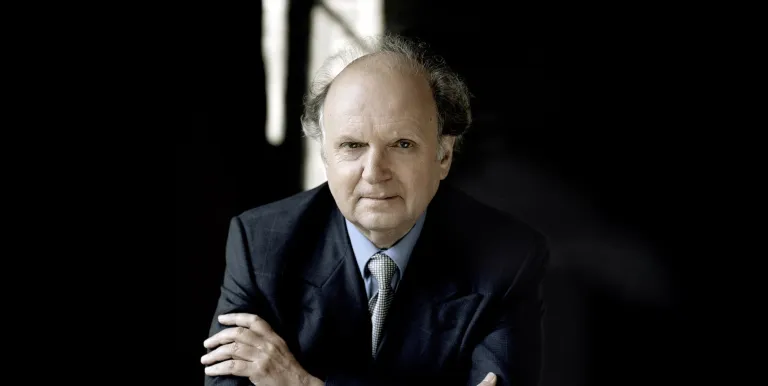
Conductor:
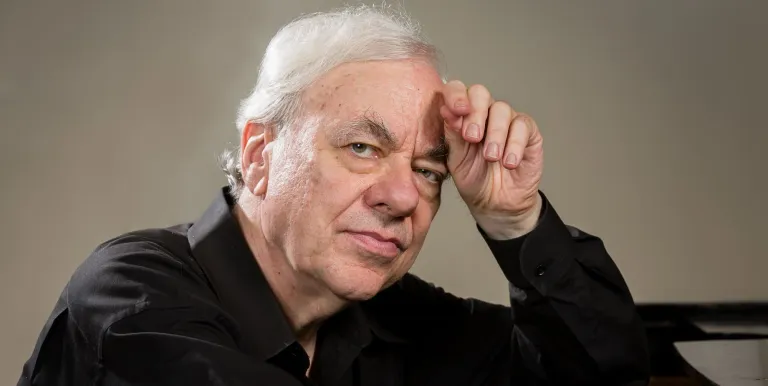
Featuring:
Beethoven
Symphony No. 1 in C major, op. 21
Beethoven
Piano Concerto No. 4 in G major, op. 58
Piano Concerto No. 2 in B flat major, op. 19
Beethoven
Symphony No. 5 in C minor (“Fate”), op. 67
This concert takes a deep plunge into the works of a single composer. Although the last work on the programme was composed less than a decade after the earliest, the path taken by the artist during that interval was quite a spectacular one. Beethoven started working on his Symphony No. 1 in 1799, the final year of what had been an unusually rich century for the genre. With his first work composed in this format, the 29-year-old composer was continuing the great tradition developed by Haydn and Mozart. In his enthusiastic review of the concert held in Vienna's Hofburgtheater on 2 April 1800, the critic for the Allgemeine Musikalische Zeitung wrote that it had been a long time since he had heard such an interesting concert, and the symphony played at the end “was full of art, novelty and inspiration”, although he did feel that the winds were overused.
The Symphony No. 5, which posterity dubbed the Fate Symphony owing to the opening measures of the first movement, was a product of the four years between 1804 and 1808. The explanation for the sobriquet comes from Beethoven himself, who was fond of ridiculing people asking about the meaning of his music, but his answer that “this is how fate knocks on the door” in all likelihood might have been meant seriously. The work was given its première in December of 1809, together with the Symphony No. 6, with his Piano Concerto in G major being played between the two symphonies. The latter piece had been given its first public performance in 1807, played by the composer, rapidly going deaf, himself. Contemporary listeners found both the meditative tone of the opening phrase of the first movement and the piece's numerous innovative features to be quite shocking.
Presented by: Budapest Festival Orchestra







-
We wish to inform you that in the event that Müpa Budapest's underground garage and outdoor car park are operating at full capacity, it is advisable to plan for increased waiting times when you arrive. In order to avoid this, we recommend that you depart for our events in time, so that you you can find the ideal parking spot quickly and smoothly and arrive for our performance in comfort. The Müpa Budapest underground garage gates will be operated by an automatic number plate recognition system. Parking is free of charge for visitors with tickets to any of our paid performances on that given day. The detailed parking policy of Müpa Budapest is available here.